Edgware High Street rubbish removal guide for tight access
Posted on 19/06/2026
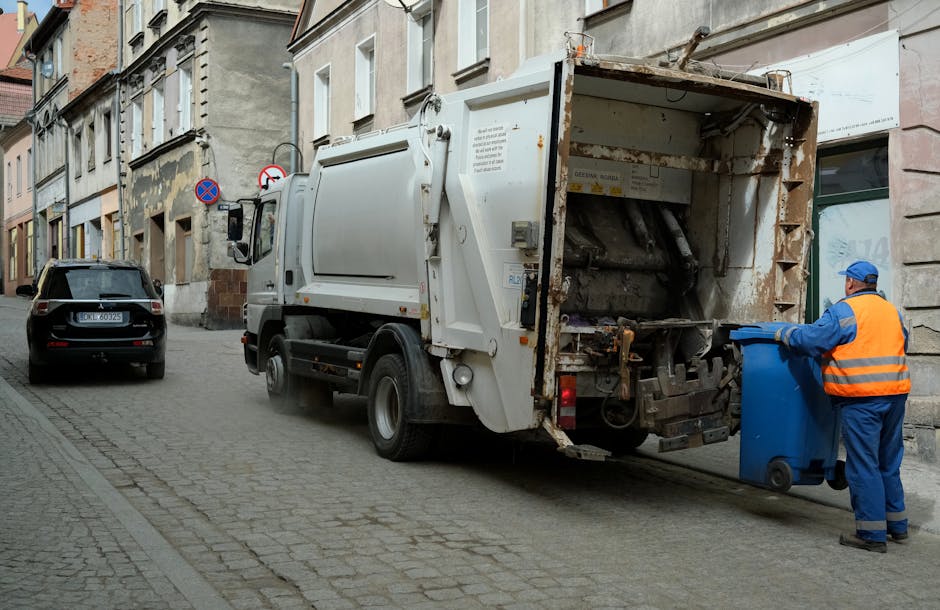
Edgware High Street Rubbish Removal Guide for Tight Access
If you have ever stood on Edgware High Street looking at a pile of rubbish, a broken sofa, or renovation waste and thought, "How on earth is this getting out of here?", you are not alone. Tight access changes everything. Narrow entrances, shared walkways, awkward parking, busy footfall, and stairs can turn a straightforward clearance into a careful little operation. This Edgware High Street rubbish removal guide for tight access is here to make that easier. It explains how local rubbish removal works in restricted spaces, what to plan for, where the pitfalls are, and how to get the job done without creating extra stress for yourself.
Whether you are clearing a flat above a shop, emptying a small office, or dealing with bulky waste from a property tucked behind the High Street, the main thing is simple: plan around access first, rubbish second. That sounds obvious, but in practice people often do the reverse. Let's fix that.
Why Edgware High Street rubbish removal guide for tight access Matters
Tight access is not just a minor inconvenience. It changes the whole shape of a rubbish removal job. On or near Edgware High Street, you may be dealing with pedestrian traffic, limited loading space, rear access that is shared with neighbours, and property layouts that were not designed for today's larger furniture or faster turnover of waste. If you ignore those limitations, you can end up with delays, manual carrying across long distances, damage to walls or flooring, and a collection that takes far longer than planned.
In our experience, the biggest issue is not the waste itself. It is the route out. Can a van stop close enough? Is there a lift? Is the staircase narrow? Will the item actually fit through the door once you turn it? These are the questions that save time and trouble. And, to be fair, they are much easier to answer before moving day rather than halfway through it.
For landlords, shop owners, letting agents, and residents in Edgware, this matters because High Street properties often have a mix of uses. A residential flat above a commercial unit can have one access route for everyone. An office clearance may need to avoid trading hours. A house clearance might involve shared driveways or limited kerb access. The job is still doable. It just needs a smarter approach.
When access is tight, a removal service should be thinking like a planner, not just a loader. That is the real difference.
How Edgware High Street rubbish removal guide for tight access Works
At a practical level, rubbish removal in a restricted access setting usually follows a simple sequence: assess, plan, clear, and dispose. The details vary depending on what is being removed, but the logic stays the same.
First comes the assessment. A good clearance begins with understanding the layout. That may mean checking stair width, lift size, doorway dimensions, parking position, any obstacles in corridors, and how far items need to be carried. If you are booking a service through a local provider, give as much detail as you can. A rushed description of "just a few bits" rarely helps anyone. If you want a broader look at the kinds of jobs usually covered, the services overview is a useful place to start.
Next is planning the load order. Heavier items should usually be moved first if they are awkward, but the safest sequence depends on the route. Some items are easier to dismantle on site. Others should remain intact so they can be carried properly. This is where experience helps, because not every sofa, wardrobe, or filing cabinet behaves the same way once it reaches a narrow hallway. One door frame will forgive you. The next one will not.
Then comes the physical removal. In a tight-access job, teams often use smaller manual loads, protective covers, trolleys where space allows, and careful lifting techniques. If the property is above ground level, the stairs may become the real workhorse of the day. If it is a retail unit or office with restricted rear access, the team may need to stagger collections to avoid blocking the High Street side entrance.
Finally, the waste is sorted for disposal, reuse, or recycling where possible. Responsible handling matters here, especially if the clearance includes mixed waste, broken furniture, or renovation debris. If you want to understand how materials are usually separated, the page on recycling and sustainability gives helpful context.
The important thing to remember is that tight access does not mean a job has to be complicated. It just needs more intelligence at the start.
Key Benefits and Practical Advantages
When a clearance is planned properly for a restricted site, the benefits are not subtle. You notice them immediately.
- Less disruption: Careful timing and route planning reduces the chance of blocking neighbours, staff, or customers.
- Lower risk of damage: Narrow halls and stairwells are exactly where scrapes happen. A planned move avoids that awkward "who put that mark there?" moment.
- Faster completion: The team knows where to park, what to carry first, and how to avoid unnecessary back-and-forth.
- Safer lifting: Tight access often means awkward angles. Proper planning makes lifting safer for everyone involved.
- Better value: A job that is organised well usually wastes less time, which can reduce avoidable cost pressure.
- Cleaner finish: When waste is removed in a controlled way, the property is left tidier and easier to hand over.
There is also a quieter benefit that people overlook. You feel less overwhelmed. That matters more than it sounds. When rubbish has been building up in a cramped flat or a busy commercial property, just knowing there is a workable plan can take a load off your shoulders.
If the job is part of a move, sale, or refurbishment, the wider benefits multiply. A cleaner space photographs better, sells better, and feels less chaotic. For anyone preparing a property, that is not a small thing. It is often the whole point. You may also find the house clearance Edgware service useful if the access issue is tied to a full home clear-out rather than just one-off waste.
Who This Is For and When It Makes Sense
This kind of clearance guide is most useful for people dealing with space constraints, time pressure, or both. If that sounds like your situation, you are in the right place.
Typical examples include:
- residents in flats above shops on or near Edgware High Street
- landlords clearing rented rooms or end-of-tenancy waste
- small business owners moving stock or unwanted fixtures
- office managers clearing archive material or old furniture
- homeowners removing bulky waste from a property with narrow side access
- builders or decorators dealing with leftover debris after a project
It also makes sense when the job is time-sensitive. Maybe you have an estate agent coming round, a lease end date looming, or a shop refit happening before the next trading week. Tight access is frustrating enough. Add a deadline and things get lively very quickly.
For commercial spaces, timing can matter as much as access. A quiet early-morning clearance might be easier than trying to move items while customers or staff are around. If you are handling a business premises, you may want to look at office clearance Edgware for a more relevant service fit.
If the work is part of a renovation or knock-through, the waste profile changes too. Plasterboard, timber, packaging, old units, and general builder's waste all need different handling. In that case, builders waste disposal Edgware is the better route to explore.
Step-by-Step Guidance
Here is the simplest way to approach a tight-access rubbish removal job without making a mess of the day.
- Identify the access route. Check where waste can leave the property with the least obstruction. Front door, rear alley, communal hallway, lift, or service entrance. Do not assume the obvious route is the best one.
- Measure the awkward bits. Door widths, stair turns, lift dimensions, and the space available for temporary staging all matter. Even a rough measurement helps.
- List the waste clearly. Note bulky items, breakable items, bags, heavy objects, and anything that may need dismantling. A photo or two can help enormously.
- Confirm parking and loading points. On busy streets, vehicle position can make or break the schedule. If parking is remote, allow extra carrying time.
- Protect the route. Move breakables, lay down floor protection if needed, and clear obstacles from doorways and corridors.
- Decide what can be dismantled. Flat-pack furniture, shelving, desks, and beds are often easier to remove in sections.
- Schedule the removal for the right time. Early mornings, quieter trading periods, or off-peak slots often work better on the High Street.
- Keep a buffer. Tight access jobs usually take longer than a standard driveway collection. Build that in. Seriously, it helps.
A small but useful tip: if you are unsure whether something will fit through the route, measure the item in its most awkward orientation, not just its front-facing width. That is where people get caught out. The armchair that "should fit" often does not, as if it has opinions.
If you need a broader sense of how to prepare the work itself, the page your rubbish removal needs can help you think through the type of clearance before you book.
Expert Tips for Better Results
Here are the small details that tend to separate a smooth clearance from a clumsy one.
- Take photos before booking. Photos of entrances, stairs, and the waste pile can reveal more than a phone description ever will.
- Separate the easiest items first. If some bags or smaller items can go quickly, having them ready speeds up the whole sequence.
- Keep the route fully open. A shoe rack, a plant pot, or a few boxes in the hallway can cause surprising delays. Tiny obstruction, big nuisance.
- Warn neighbours where sensible. If shared access is involved, a bit of notice can reduce friction.
- Use dismantling where it genuinely helps. Do not dismantle everything for the sake of it. Some furniture is safer intact.
- Think about weather. Rain changes grip, visibility, and floor conditions. A damp stairwell is not the place to rush.
- Ask about waste sorting. Better sorting on site can support recycling and keep the job tidy.
One of the best habits is to plan as though there will be one unexpected problem. Because usually there is. A locked gate, a missing lift key, a parked van in the wrong spot, something like that. If you have already allowed for a small delay, the whole job stays calmer. Calm is underrated.
For a local business or landlord, it can also be worth checking broader operational details such as insurance and safety so you know how the work is handled responsibly on site.

Common Mistakes to Avoid
Most clearance problems in tight access spaces are avoidable. That is the good news. The less good news is that people keep making the same mistakes.
- Underestimating the access route: "It looked fine in the hallway" is not enough. The turning point is often the staircase or the gate outside.
- Leaving booking details vague: Saying "a bit of waste" is too fuzzy. Share item type, volume, and any access restrictions.
- Ignoring building rules: Some properties have quiet hours, loading limitations, or shared access expectations.
- Forgetting parking reality: A van may not be able to stop directly outside. That extra carry distance can change the schedule.
- Assuming everything can be lifted in one piece: Some items need to be dismantled. Some should not be forced through a tight door at all.
- Not protecting surfaces: Corners, bannisters, and polished floors are common damage points.
- Leaving mixed waste unsorted: It slows things down and can create disposal headaches later.
There is also a quieter mistake: leaving the job until the last possible day. Tight access needs patience. If you are working to a lease expiry, sale completion, or refurbishment deadline, give yourself more room than you think you need. A little slack in the timetable can save a lot of grief.
Tools, Resources and Recommendations
You do not need an arsenal of specialist kit to get a tight-access clearance right, but a few practical tools make a real difference.
- Tape measure: Useful for doors, stair turns, lift openings, and furniture dimensions.
- Phone camera: Photos of access points and waste types help with planning and quoting.
- Labels or marker pens: Handy for separating keep, dispose, recycle, and charity-suitable items.
- Protective coverings: Card, blankets, or floor protection reduce the chance of scuffs.
- Strong bags or boxes: Especially useful for small items that would otherwise slow the route.
- Basic tools for dismantling: Only if needed and only where the job calls for it.
On the service side, it helps to work with a provider that understands mixed household and commercial waste, not just one-off bag collection. If you need a more general disposal option, waste removal Edgware is a sensible starting point. For more focused rubbish collection support, rubbish clearance Edgware may be the closer fit.
If your waste includes garden material from a rear yard or access path, you might also find garden waste removal Edgware relevant, especially where narrow side passages or shared entrances make bagging and carrying a bit fiddly.
One more recommendation: choose communication over guesswork. A few clear photos and a short explanation usually beat a long, uncertain conversation. The clearer the brief, the smoother the removal.
Law, Compliance, Standards, or Best Practice
For rubbish removal in the UK, the practical side and the responsible side go together. You do not need to become an expert in waste law to arrange a safe clearance, but you should be aware of a few common-sense standards.
First, waste should be handled and disposed of properly. That includes separating reusable or recyclable materials where practical and avoiding fly-tipping at all costs. It sounds obvious because it is obvious, yet mistakes still happen when people use unverified removal methods. If a clearance feels suspiciously cheap and oddly informal, pause.
Second, safety matters on site. Narrow stairs, sharp corners, heavy loads, and public access create risk. Best practice is to plan lifting routes carefully, reduce trip hazards, and avoid overloading individuals with awkward items. In shared buildings, courtesy matters too. Hallways should not be blocked longer than necessary, and communal areas should be kept as clean as possible.
Third, check the provider's own operational standards. A reputable local business should be happy to discuss how waste is handled, how safety is managed, and what happens if access turns out to be tighter than expected. If you want a quick sense of the company background and approach, the about us page can provide extra reassurance.
It is also worth reviewing straightforward service information such as terms and conditions, privacy policy, cookie policy, and payment and security so you know what to expect before the day arrives. No one enjoys paperwork, but a quick look saves awkwardness later.
Best practice, in plain English: be honest about the access, protect the property, sort the waste well, and choose a team that treats safety like part of the job, not an afterthought.
Options, Methods, or Comparison Table
Different access problems call for different approaches. Here is a simple comparison of common clearance methods for tight access on or near Edgware High Street.
| Method | Best for | Strengths | Limitations |
|---|---|---|---|
| Full-service man and van clearance | Mixed household or business waste in restricted spaces | Flexible, hands-on, suited to narrow routes | May take longer if access is very limited |
| Pre-dismantled item removal | Bulky furniture and flat-pack pieces | Easier through doors and stairwells | Requires time and basic tools |
| Staged clearance over multiple trips | Large volumes with poor parking or shared access | Reduces congestion and disruption | Can extend the total job time |
| Targeted item collection | One or two awkward items | Fast and simple when the brief is clear | Not ideal for larger mixed loads |
| Commercial clearance outside trading hours | Shops, offices, and service units | Minimises interruption to customers or staff | Scheduling may be less flexible |
If the issue is mainly a cluttered flat or a property being prepared for sale, a full-service approach is usually the easiest. If it is just a single large item causing grief, a more targeted collection may be enough. Simple, but not simplistic.
Case Study or Real-World Example
A common Edgware High Street scenario goes something like this: a first-floor flat above a commercial unit needs clearing before new tenants move in. The access is awkward because the stairwell is narrow, there is no lift, and the only nearby stopping point is a busy stretch of road where parking is limited. The resident has a wardrobe, a mattress, several bin bags, and a few bits of old shelving.
The mistake would be to arrive without checking any of that. The better approach is to review photos, confirm the number of items, plan where the vehicle will wait, and decide which pieces should come apart before removal. In this type of job, the mattress and bags may go quickly, while the wardrobe might need dismantling at the top of the stairs before anything can be carried safely.
That extra planning reduces friction. It also reduces the chance of scratching communal walls or holding up neighbours who are trying to get in and out. The whole job becomes more predictable, which is exactly what you want when access is tight and the street is busy. Truth be told, this is where good rubbish removal looks a lot less dramatic than people expect. Quiet, careful, efficient. That is the goal.
If the property is being sold or re-let, the benefit is immediate. Once the clutter is gone, rooms feel larger, brighter, and oddly calmer. A bit less echo, a bit more light. Funny how much difference that makes.
Practical Checklist
Use this checklist before booking a tight-access rubbish removal on Edgware High Street.
- Measure the main doors, stairs, and any lift openings.
- Take clear photos of the access route and the waste.
- List any bulky or heavy items separately.
- Check whether anything needs dismantling.
- Confirm where a vehicle can safely stop.
- Ask about the best time of day for collection.
- Remove obstacles from hallways and entry points.
- Protect floors and corners if the route is tight.
- Think about neighbours, shared access, and building rules.
- Sort reusable, recyclable, and general waste where practical.
- Review pricing, payment, and service terms before booking.
- Allow extra time for carrying items if parking is not close.
Simple checklist, big payoff.
Conclusion
Edgware High Street rubbish removal becomes much easier when you treat access as the first planning job, not the last. Tight spaces, shared entrances, limited parking, and awkward stairs are all manageable when the route is measured, the waste is described properly, and the collection is timed with care. That applies whether you are clearing a flat, an office, a shop, or a mixed-use property above the street.
The main lesson here is reassuring: you do not need perfect conditions to get a clean result. You just need a realistic plan, a bit of patience, and the right approach to the space in front of you. Once that is in place, the job tends to unfold much more smoothly than people expect.
Get a free quote today and see how much you can save.
And if all you manage today is the first measuring tape and one bag sorted out, that is still progress. One small step at a time, and the clutter starts to feel beatable.


From a young age, Blair has cultivated a passion for order, which has now matured into a prosperous profession as a waste removal specialist. She derives satisfaction from transforming disorderly spaces into practical ones, aiding clients in conquering the burden of clutter.
 Tipper Van - Junk Collection and Rubbish Clearance Prices in Edgware, HA8
 Luton Van - Junk Collection and Rubbish Clearance Prices in Edgware, HA8